Emergency Springs · Georgina
Extension Spring Replacement
The opener groans on the way up and the door slams the last foot on the way down, hard enough to rattle the windows. The motor is the same one it always was; something in the springs has stopped doing its share.
Call now · open 24/7(249) 204-2005Right now
Before the door is looked at
Call (249) 204-2005, open 24/7.
When a spring breaks, the safe approach for the household is to leave the door where it is, keep people and vehicles clear, and avoid running the opener, which can damage the top section, the trolley or the gear drive.
Pull the manual release only when the door is fully closed unless a technician asks otherwise; a door disconnected while partly open can move on its own if the springs are out of balance.
Never drive a vehicle at a closed door to get out; the door collapses and the stored tension in the counterbalance is released. Use the release, the outside key release, or a technician.
In plain words
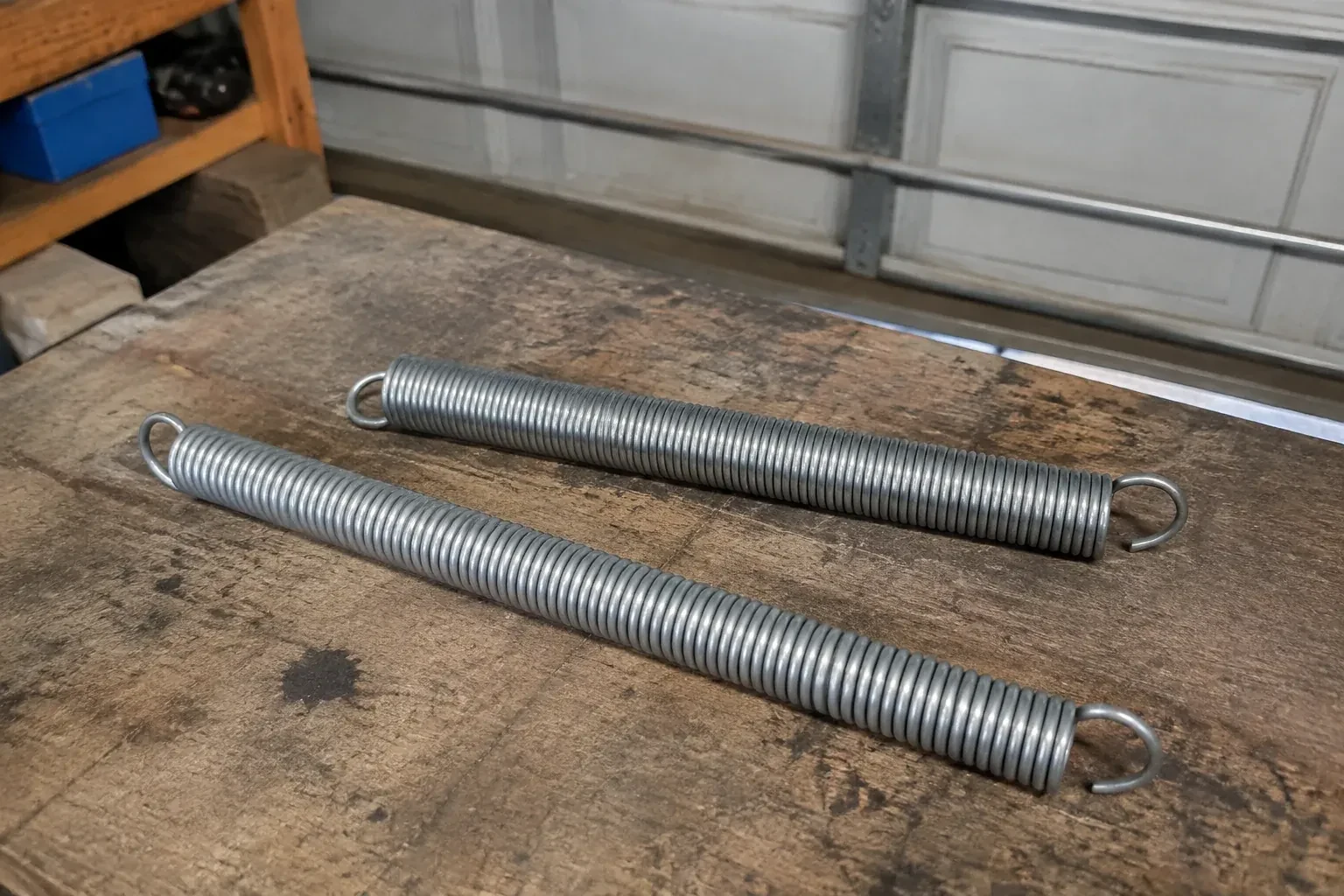
Every extension spring should carry a containment cable, and replacement is the moment to make sure yours do. A containment cable runs through the centre of the spring and is anchored at both ends, to the rear hanger and to the bracket at the front of the track. It does no lifting; its purpose is to hold a spring that breaks so the pieces stay on the cable. Many older doors predate this practice, which a home inspection checklist checks for. When springs are replaced, new containment cables are fitted with them, which keeps a broken spring's pieces contained, not the door's weight, balance or safety.
How the visit goesA bang like a dropped toolbox came from the garage last night. This morning one of the long springs beside the track hangs in two pieces, and the door will only rise a few inches before the opener gives up and stops.
Extension Spring Replacement · Georgina
How the visit goes
- 1
Containment cables, present or missing
The question the industry's own inspection checklist asks of every extension-spring door is whether each spring has a cable running through its centre, anchored at both ends. The technician checks for it on both sides, then checks its condition: a cable that is frayed, kinked, anchored to a loose screw or simply tied off to the hanger is not doing its job. Doors installed decades ago often have none at all, and doors that had a spring changed by a previous owner sometimes have one side fitted and one forgotten. Fresh containment cables go on with the new springs, and their anchor points are set into solid framing so that a spring which breaks stays on its cable.
- 2
Running the lift cables
Each lift cable starts at the bottom bracket, where its loop goes over the pin or is secured with a clevis pin. From there it runs up the vertical track, over the fixed pulley at the front of the horizontal track, back along the track to the pulley on the end of the spring, around it, and forward again to the S-hook or adjusting clip at the front hanger. The technician keeps the cable seated in each pulley groove and makes sure it passes on the correct side of the containment cable and the track. Cables are renewed if the old ones showed any fraying or rust, and always as a pair of the same length.
- 3
Lubrication that keeps the new set turning
Twice a year, in spring and before winter, a can of garage-door lubricant does most of the maintenance the springs need. Spray a light coat along each extension spring, working from the hanger to the pulley; it slows rust in a damp garage and quiets the coils. Put a drop on each pulley axle and on the bolts through the pulley forks, then on the hinge pins and roller stems. Leave the tracks dry and wipe them clean, since grease there collects grit and stops rollers rolling. Heavy grease and general-purpose oil are avoided on the springs because they hold moisture against the wire. Run the door a few times afterwards to spread the film.
In the van
- Rear spring hangers and angle iron
- Track clamps or locking pliers
- Containment (safety) cables
- Pulleys (sheaves) and forks
- Extension springs, matched pair
What affects the quote
- 1
One spring per side or two
Heavier doors sometimes carry a pair of springs on each side rather than one. Four springs, four containment cables and the extra setting time show as their own lines.
- 2
Rollers, hinges and bottom brackets found worn
Cracked roller wheels, split hinges or a bottom bracket rusted at the cable pin are pointed out during the inspection and offered as optional items, since the door is already open and secured.
- 3
Getting the van to the garage
A detached garage down a shared laneway, a rural property or a building with the bay behind a gate takes more time to reach and set up in, and the quote allows for that.
Same fees day, night or weekend.
Extension Spring Replacement: questions
How do you know which springs my door needs?
By weight. Extension springs are rated for the weight they lift, so the technician releases the opener and weighs the door on a scale, then matches that figure and the door's height to a spring rating and stretch length. The old springs are measured as a check on wire size, coil diameter and length. Where the two disagree, the scale decides, since doors gain weight from added insulation or panels.
Can I use the door as soon as the work is done?
Yes. The last steps of the visit are the balance test by hand, several full cycles under power and the opener's reversal checks, so the door is ready for normal use when the technician leaves. New springs need no settling period. It is worth running it yourself once or twice while the technician is still there, so you know what a properly balanced door sounds and feels like from now on.
Could I switch to torsion springs instead of replacing the extension ones?
Sometimes, and it is worth asking. A torsion system needs room above the door opening for its shaft and a header that can carry the spring bracket, which many older garages with a low ceiling simply lack; extension springs are there for that reason. Where the headroom exists, a conversion is a separate job with its own hardware and quote. The technician can tell you on the spot which route suits your garage.
Springs & Hardware
Bigger photo, sooner job: Emergency Book soon Plan ahead
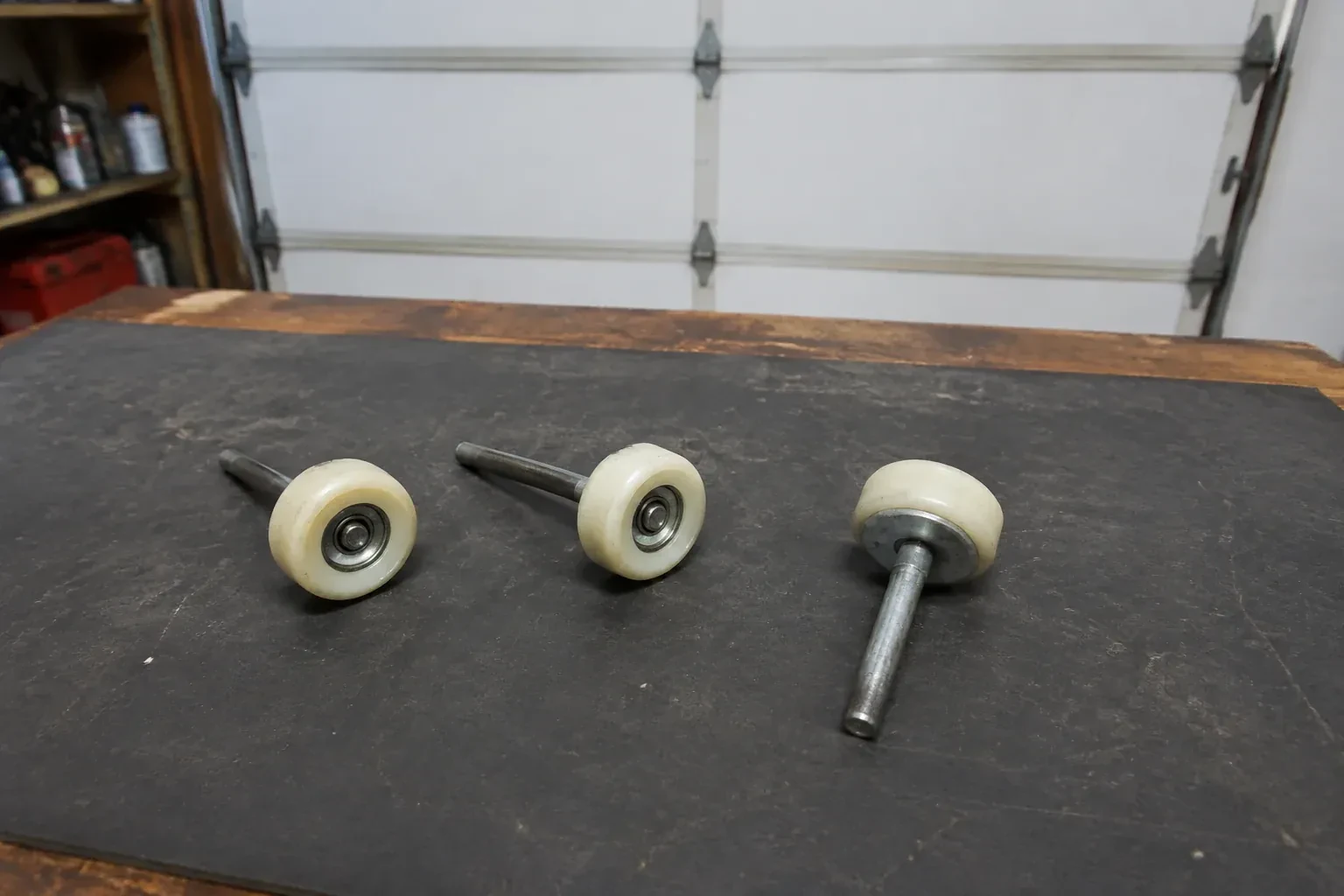 Book soonGarage Door Roller ReplacementA roller near the top corner is riding on the lip of the track rather than inside it, and the section above leans back a little…
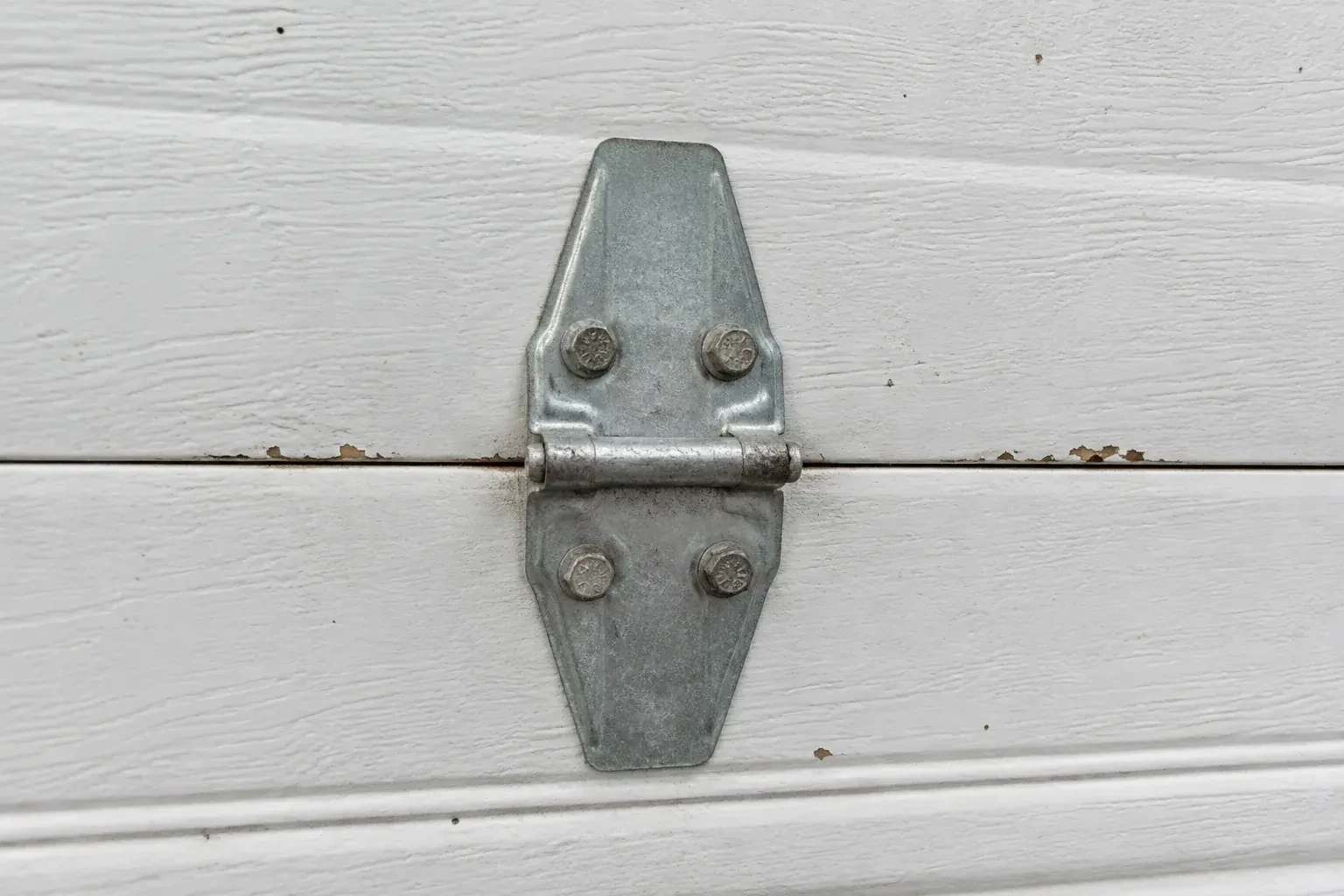 Book soonGarage Door Hinge ReplacementWith the door closed and a flashlight on the inside face, one of the hinges near the edge has a crack running from the screw hole…
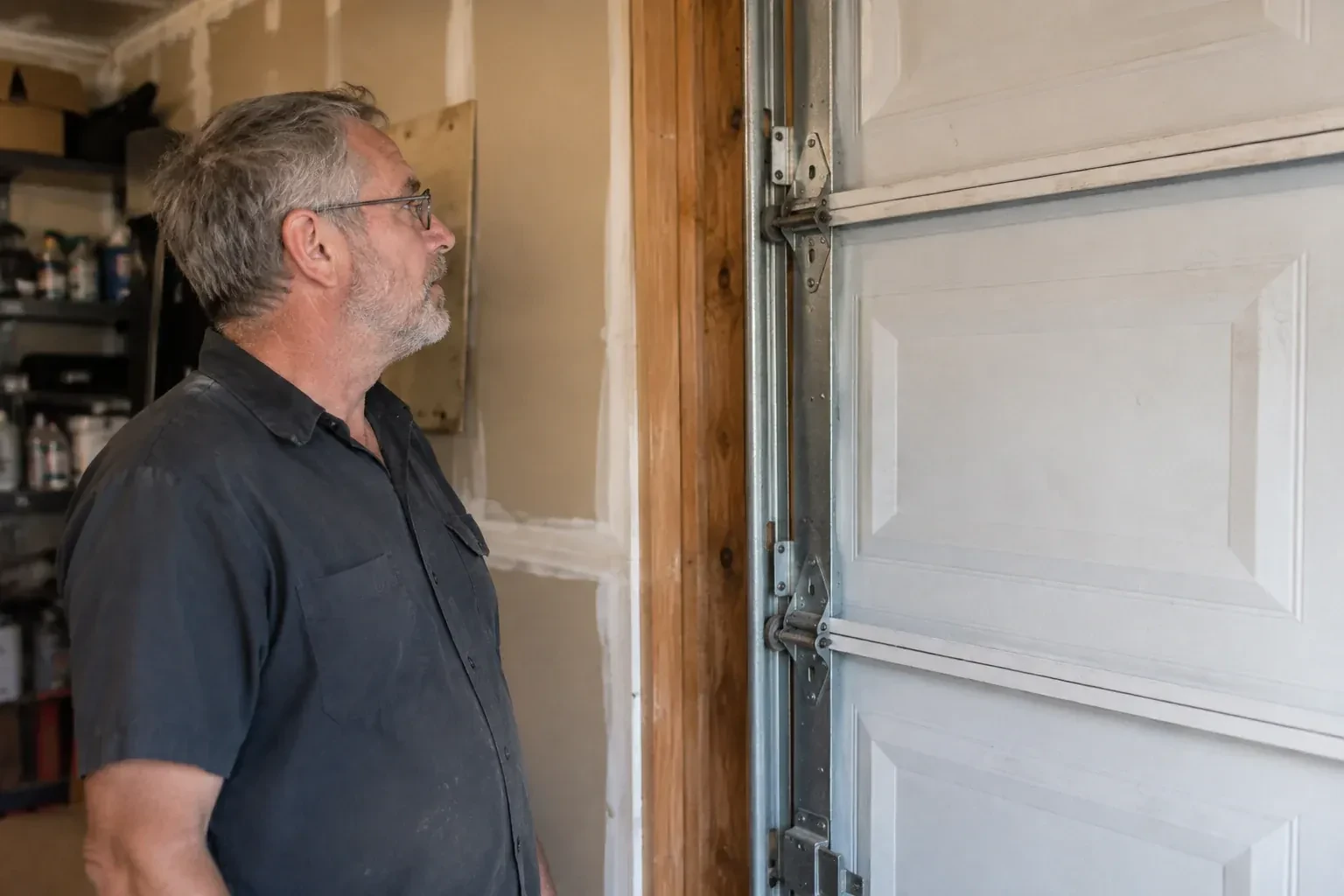 Book soonGarage Door Track Repair or ReplacementHalfway up, the door lurches and one roller rides onto the lip of the channel.
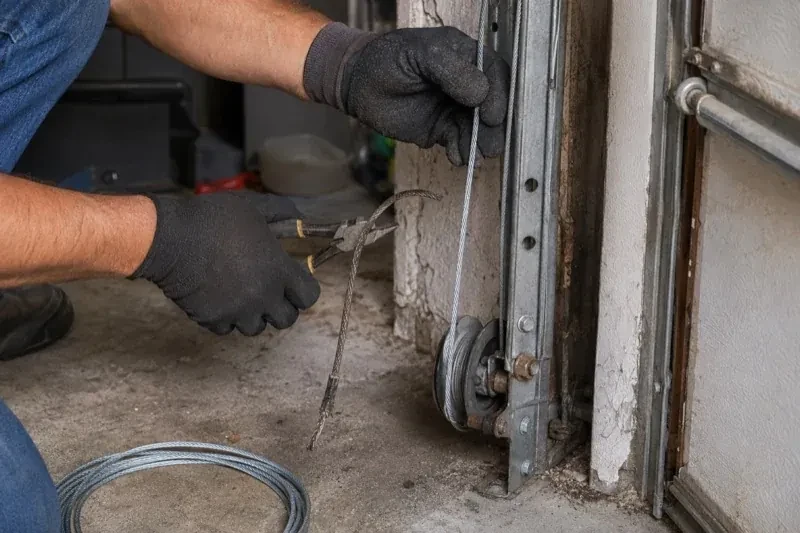 EmergencyGarage Door Cable ReplacementAfter years of slushy winters the cables look thinner near the bottom brackets, with rust streaks running down the door where…
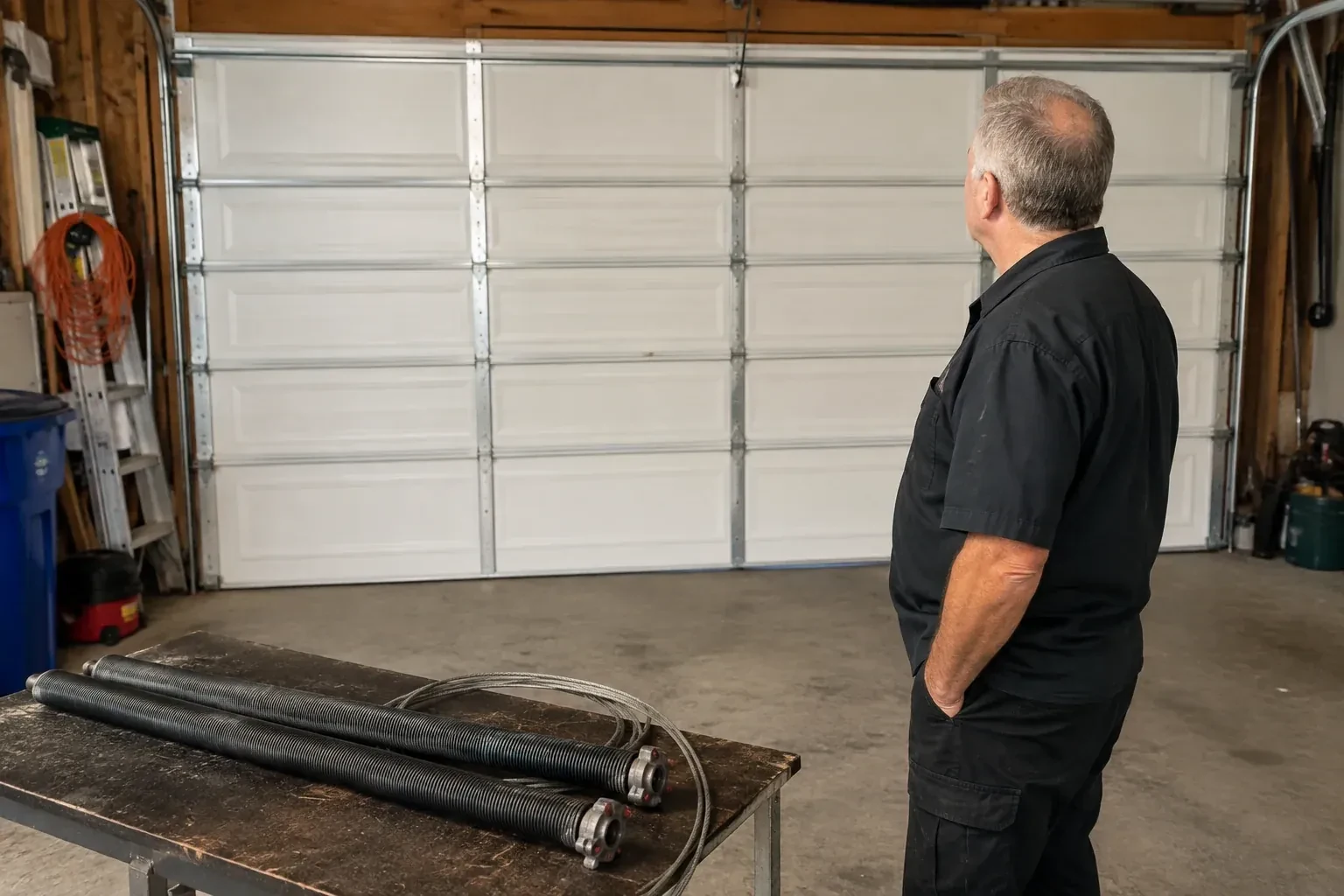 EmergencyTorsion Spring ReplacementThe door starts to rise, gets about the height of your knee, then shudders and reverses.
York, Ontario
Georgina information
- Town
- Georgina, York, Ontario
- In business
- 15 years
- Hours
- Open 24/7 · nights, weekends and holidays, same fees
- Phone
- (249) 204-2005
- Visits
- On-site assessment preferred. Request a visit or call.
What the census means at the door
43%
Homes of every age. About 43% of homes in Georgina were built in 1980 or earlier, according to the 2021 Census.
A mixed-age neighbourhood is where retrofits are most common: safety cables added to extension springs, a torsion conversion on an older door, insulated panels replacing a hollow door, or a quieter belt opener under a newly finished room above the garage. Each is a routine job for us.
83%
Mostly houses. Single-detached houses make up about 83% of homes in Georgina (2021 Census).
Where houses are detached, a side door into the garage and an interior door into the house are common, so the garage door is one of several ways in. Making sure it closes fully, locks properly and has its old remote codes cleared keeps the whole house secure.
Nearby
Open 24/7
Request a visit
The opener groans on the way up and the door slams the last foot on the way down, hard enough to rattle the windows.
Call now · open 24/7(249) 204-2005- On-site assessment preferred
- Same fees day, night or weekend
- 15 years in business